The internet has new words every day. Some vanish quickly, whereas others take time to build up interest and are incorporated into online culture. Fontlu is among the terms that have begun appearing in discussions on typography and designing platforms, digital branding and creative workflows as of 2026. Although this term remains in its early stages it is becoming popular among bloggers, creators designers, bloggers, as well as SEO professionals are looking for it since it blends modern design thinking and digital imagination.
What Is Fon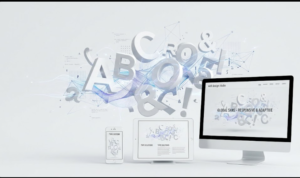 tlu?
tlu?
Fontlu is commonly regarded as a contemporary term relating to typography and digital branding, font management and creative design systems. In contrast to traditional terms for typography that are derived from the history of printing design, Fontlu appears to be a brand new digital-era word that is associated with intuitive and visually intelligent typography.
The word itself is believed to blend “font” with a modern suffix “lu,” giving it an appealing and tech-friendly identity. This style of naming is widespread online. Start-ups, SaaS products, tools and other digital goods often have simple, memorable names since they are simpler to search or brand and are easier to remember. Fontlu is a perfect fit for this trend.
The modern day use of typography is not solely about aesthetics. It impacts how people interact with apps, websites advertising, as well as digital products. Fontlu represents this shift to typography that is fluid and responsive. It is optimized for the latest digital experiences.
Why the Term Is Trending Online
The growth of Fontlu is closely linked to the increasing significance in online branding as well as user-interface design. Companies are investing heavily in the user experience as competition online is now more fierce than ever before. Fonts affect everything from the readability of a font as well as conversions
The Origins of Fontlu
How Digital Culture Creates New Terms
Internet culture evolves fast. Each year new terms emerge from trends in branding meme culture, community of designers and the startup ecosystems. Fontlu seems to be one of those new internet-related words that combine creativity and digital functions.
Historically, the language of typography was highly technical. Designers would discuss kerning serif styles, leading and grids for baselines. Contemporary audiences prefer simpler and less memorable terms. Words such as Fontlu are easy to sell because they appear modern, light and technologically oriented.
This trend mirrors the wider trend in online brand recognition. The most sought-after brands today include:
- Short
- Searchable
- Brandable
- Memorable
- The world’s most well-known
Fontlu has checked all the boxes.
The Connection Between Typography and Branding
Typography is among the most effective visual elements in branding. Imagine famous brands without well-known fonts. Their brand identity will instantly appear less powerful. They affect emotions in similar to how colors and logos do.
Modern branding is heavily focused on the sameness across:
- Websites
- Mobile apps
- Social media
- Advertisements
- Product packaging
This is why sophisticated typography systems are increasingly important. Fontlu-style ideas help brands keep consistency, while also adapting typography to various screens and gadgets. Based on recent discussions on Fontlu adaptiveness and responsive typography are the main themes that relate to the term.
Fontlu and Modern Typography
Why Typography Matters More Than Ever
The way people use fonts affects how they interact with digital content. The user may not even be aware of the font but they are able to tell the wrongness of a font. Typography mistakes can cause friction but strong typography enhances confidence and accessibility.
Modern websites vie for attention in a matter of seconds. Visitors can quickly determine if the website is professional or dated. Fonts can affect:
- Readability
- Brand trust
- User engagement
- Website retention
- Accessibility
Research has consistently shown that clean typography can improve reading speed and user satisfaction. This is the reason why the use of typography has become more important in SEO and digital marketing.
Mobile-First Font Design
The majority of traffic on the internet now is from mobile devices. The typography has changed completely. The fonts created for desktops often appear awkward or hard to read on smartphones.
The Fontlu-inspired design is heavily influenced by:
- Responsive font scaling
- Flexible spacing
- Mobile readability
- Dynamic layouts
This trend towards mobile-first typography is just one reason why responsive font systems will be expanding rapidly by 2026.
Accessibility and Readability
The accessibility of websites isn’t a luxury. Websites need to be able to support users who have varying capabilities in reading and also with visual. Typography is a major factor in this.
Good typography enhances:
- Contrast visibility
- Reading provides comfort
- Screenreader compatibility
- Layouts that are dyslexia-friendly
Modern typography systems like Fontlu concentrate on reading for the user and not just purely a fashion statement. The balance between aesthetics and practicality is becoming the new norm for online.
Fontlu as a Smart Typography Platform
AI-Powered Font Discovery
A popular and widely debated concepts associated to Fontlu is AI-assisted pairing of fonts and typography advice. Instead of manually searching through hundreds of fonts AI systems look at:
- Design mood
- Brand new style
- Industries category
- Preferences for users
This greatly improves the efficiency of the creative process. Designers are no longer trying to find that “perfect font.”Recent articles have described Fontlu being an artificial intelligence-driven typesetting ecosystem that is built on smart recommendations and a flexible design.
Real-Time Font Customization
Variable fonts are changing typography. In lieu of loading several fonts, one variable font is able to dynamically change:
- Weight
- Width
- Slant
- Spacing
This enhances performance as well as design flexibility.
| Traditional Fonts | Variable Fonts |
|---|---|
| Multiple files required | Single adaptive file |
| Slower loading | Performance is improved |
| Flexible but not as much | Dynamic personalization |
| Static design | Responsible behavior |
This technology is in perfect harmony with Fontlu’s contemporary design philosophy.
Cloud-Based Font Collaboration
Creative teams often work in remote locations. Developers, designers and marketers typically work on different platforms and across different countries.
Cloud-based typography systems help simplify:
- Sharing of fonts
- Brand Consistency
- Updates in real time
- Management of licensing
This collaborative approach is now an integral part of the modern typography communities that are connected to Fontlu.
Fontlu in Web Design and SEO

How Fonts Impact SEO
Many people don’t realize the importance of typography on SEO. Google might not evaluate websites based on fonts however, typography has a significant impact on the behavior of users.
Improved typography can improve:
- Time on the page
- Engagement
- Scroll depth
- Rate of bounce
A poor readability is often a reason for users to quickly leave which in turn can hurt SEO performance.
Website Speed and Typography
Speed of websites is a key ranking factor. The large font files can slow websites, particularly for mobile devices. Modern Fontlu-style typography systems prioritize:
- Lightweight font delivery
- Variable font optimization
- Faster rendering
- Responsive loading
This allows websites to maintain high-quality design and speedy performance.
User Experience and Bounce Rate
Imagine typography as road signs that are posted on highways. If the signs are clearly written and easy to follow, people can move along. If signs are unclear users become angry and quit.
Typography can affect:
- Content scanning
- Clarity of navigation
- Visual hierarchy
- Reading provides comfort
Clean typography keeps users engaged for longer, which aids SEO development naturally.
Fontlu vs Traditional Typography
Print-Based Typography
Traditional typography was developed primarily to be used in print media. Designers used static layouts, predetermined dimensions of pages as well as static sizes.
The characteristics include:
- Fixed sizing
- Limits in flexibility
- Print-first layouts
- Manual spacing adjustments
This approach was perfect for magazines, newspapers and even books.
Digital-First Typography
Modern digital typography has to be able to adapt immediately across:
- Smartphones
- Tablets
- Laptops
- Large monitors
- Wearable devices
Fontlu typography is characterized by flexibility and responsiveness over rigid design structures.
| Traditional Typography | Fontlu-Inspired Typography |
|---|---|
| Print-focused | Digital-first |
| Static layouts | Responsive layouts |
| Scaling limited | Scaling adaptively |
| Manual workflows | AI-assisted workflows |
| Device-specific | Optimized for cross-platform use |
Industries Using Fontlu Concepts
Branding and Marketing
Brands must have a consistent visual identity across all online. Typography creates recognizable brands that people can instantly remember.
Modern marketers make use of sophisticated typography systems to:
- Ad campaigns
- Pages that land on the page
- Social media graphic
- Brand guidelines
UI/UX Design
UI as well as UX designers are focused on the readability and flow of interaction. The way users use type affects the way they navigate through digital products.
Concepts related to Fontlu support:
- Clear navigation
- Consistent interfaces
- Accessibility improvements
- Stronger visual hierarchy
Social Media Content Creation
Social media thrives off visual communication. Fonts determine whether users are able to stop scrolling or continue their journey.
The creators of typography are increasingly using it strategically to:
- Improve engagement
- Strengthen branding
- Create recognizable aesthetics
- Create trust among the audience
Benefits of Using Fontlu-Inspired Design
There are many reasons Fontlu-style design systems are growing in acceptance:
| Benefit | Impact |
|---|---|
| Better readability | Improves user engagement |
| Faster loading | Supports SEO performance |
| Typography that responds | Works across devices |
| AI-assisted pairing | It helps to save time for creativity. |
| Accessibility-focused | Increases the number of people who can participate. |
| Consistent branding | Creates trust |
This is why typography is now becoming more important in the field of digital marketing and web design.
Challenges and Limitations
Although Fontlu concepts sound intriguing however, there are still a few hurdles.
Certain businesses have difficulty with:
- The modern typography system is a must to learn.
- The balance between readability and creativity
- Managing font licensing
- Keeping teams in line
AI-driven tools for typography are also a cause for concern about the originality of their designs. If everyone is relying on automatic font suggestions design, it could become monotonous. Another problem is trend dependence. Internet-born concepts evolve quickly. Some endure for a long time while others disappear in the wake of a temporary rise in recognition.
The Future of Fontlu
Typography’s future is more efficient, faster and more adaptable. Fontlu is a reflection of that larger transformation.
Many trends are likely to influence the next generation of typography:
- AI-generated font systems
- Personalized typography
- Real-time adaptive scaling
- Automated accessibility
- Cloud-based collaboration
- Variable font optimization
As digital experiences get more immersive, typography will keep changing from static designs to interactive communications systems.
Fontlu could one day turn into:
- A reputable typography platform.
- A design philosophy
- A brand-related ecosystem
- A wider digital trend in creativity
The growing interest in the concept shows how significantly typography has influenced the online experience.
Conclusion
Fontlu is more than an internet-related keyword that is a bit spooky. It represents the growth of typography in a world that is digital. As apps, websites and companies compete to be noticed and attention, typography is increasingly an instrument of strategic use instead of a mere visual aspect.
The ever-growing discussions about Fontlu provide a glimpse of several significant changes in the industry:
- Typography that responds
- AI-powered design systems
- Accessibility-focused layouts
- Faster performance of fonts
- Smarter branding workflows
Related content
FAQs
1. What is Fontlu?
Fontlu is often described as a contemporary digital typography idea or a smart font platform that is associated with flexible design, branding, and innovative workflows.
2. Is Fontlu a real platform?
Recent articles have described Fontlu as a platform for typography featuring AI-powered font management and tools for collaboration, though the term isn’t yet fully established on the internet.
3. What is the reason Fontlu rising in 2026?
The term is receiving more interest because branding, typography and responsive website design is increasingly important in the digital marketing world and SEO.
4. What is the impact of typography on SEO?
Typography can affect the readability, engagement of users as well as bounce rate along with the user’s overall experience which in turn can influence SEO performance.
5. What is it that makes Fontlu different from other typographic styles?
Fontlu-style typography emphasizes dynamic layouts, AI-aided workflows as well as accessibility and digital-first design, rather than static printing-based typography.