What Is a Chief Technical Examiner?
A Chief Technical Examiner is a professional at the top of the line accountable for examining the technical procedures, assessing compliance, conducting audits and ensuring that projects or systems conform to set guidelines. The position is offered across a variety of industries which include manufacturing, engineering construction as well as telecoms, aviation IT and even oversight departments of government. The Chief Technical Examiner is as an independent authority who examines the quality of work in technical areas is carried out safely and in a timely manner.
Why Organizations Need Technical Examiners
Today, businesses operate in a highly regulated context. Whether it’s requirements for safety standards in manufacturing and construction, security frameworks, regulations for cybersecurity, or environmental compliance, businesses must adhere to strict technological guidelines. An error in the process can lead to enormous costs in regards to financial loss, reputational damage and even injuries to human beings. This is why Chief Technical Examiners are vital.
One of the primary reasons that companies employ chief technical examiners is to limit the chance of risk. In the event of a technology failure, it could result in the loss of hundreds of millions. One flaw in aviation equipment, medical equipment, or industrial manufacturing could result in devastating consequences. Chief technical Examiners are able to spot issues before they become disasters. They serve to act as early-warning systems to detect technical problems before they become out of control.
Main Responsibilities of a Chief Technical Examiner
Technical Inspections and Audits
A most important duties of Chief Technology Examiners is to conduct technical audits and auditory audits. The inspections involve reviewing the machines, systems that process software, infrastructure or engineering designs, to make sure they’re operating according to the accepted norms. The examiner carefully reviews the technical documentation, testing procedures, operational practices and physical outputs to ensure the validity and accuracy of the designs.
These audits are further than standard examinations. Instead of simply determining whether something’s working, the Chief Tech Examiner investigates the reason and how it’s functioning. For instance when it comes to construction projects the examiner could examine the quality of materials and calculations to determine structural integrity as well as the accuracy of design and contractor conformity. When it concerns IT Examiners might look at cybersecurity security measures to ensure reliability of software as well as security flaws in the software.
Compliance and Regulatory Oversight
Management of compliance is a vital task for the chief technology examiner. Industries must comply with a variety of regulations related to safety, quality and environmental standards, the security of data and operational procedures. Staying up with the ever-changing rules is a major challenge especially for large corporations which operate across multiple areas.
The Chief Tech Examiner acts in the role of an intermediary between operations that involve technology and demands of regulators. They make sure that products, projects and systems comply with industry standards like ISO certifications, the safety codes, regulations for engineering, and guidelines from the administration. This typically involves the review of technical documentation and also conducting visits to the site and working closely with legal or compliance departments.
Risk Assessment and Safety Management
Management of risks is at the heart of Chief Technology Examiner’s role. Each technical task involves a certain amount in risk. Machines can be damaged, computers could fail, infrastructures might be faulty or operating processes can pose safety hazards. The role of an examiner is to spot the risk early and suggest the corrective measures prior to damage being resulted.
Risk assessments consist of an in-depth analysis of the information, technical analysis and tests. An Chief Tech Examiner looks at possible failure areas, operational weaknesses, and security weaknesses. They then classify risk according to their severity as well as the probability. This proactive method can help businesses to avoid accidents and improve their longevity of their reliability.
Documentation and Reporting
A significant portion of the Chief Technical Examiner’s job is to prepare reports and other documentation. After audits and inspections the examiner must clearly convey findings, highlight the issues and suggest ways to address the issues. These reports are typically official documents utilized in the managerial team, as also by the legal department and regulators.
Effective reporting requires more than technical knowledge. Chief Technical Examiners must communicate complex technical details in a way that those who make the decision not tech-savvy are able to comprehend. A well-written report can influence crucial strategic decisions, but bad writing could cause confusion or delays.
Industries That Hire Chief Technical Examiners
| Industry | Main Focus Areas | Common Responsibilities |
|---|---|---|
| Engineering & Construction | Safety, structural quality | Inspections of the website and verification of the material |
| Manufacturing | Product quality, compliance | Audits of quality, processes, and quality checks |
| Government Infrastructure | Public supervision of projects | Compliance audits technical audits |
| IT & Cybersecurity | Standardization and Security for Systems | Audits of security-related technical assessments |
| Aviation | Workplace safety | Inspections of aircraft and reviews of maintenance |
| Energy & Utilities | System Reliability | Audits of safety, checks of the operation |
Engineering and Construction

Construction and engineering projects require huge budgets, short deadlines, and intricate tech requirements. Chief Tech Examiners are responsible to ensure that projects conform to the requirements of safety and engineering requirements. They review the structure, examine plans and the materials they use and monitor the performance by contractors.
Government and Public Infrastructure
Governments often employ Chief Technical Examiners to oversee public works projects and ensure that there is no corruption, fraud or infrastructure that isn’t adequate. They make sure that the funds of the public are used correctly and projects comply with the technical standards required by law.
Manufacturing and Industrial Operations
Industries that produce rely heavily upon the high-quality of their product as well as efficiency. Chief Technical Examiners evaluate the production process as well as the effectiveness of machinery and ensure that their equipment in compliance to the safety guidelines.
Information Technology and Cybersecurity
Modern IT systems require constant surveillance of security and technical aspect. Chief Technology Examiners (CTE) in IT examine the security of software, its reliability, measures to protect data, and frameworks for technical conformity.
Skills Required to Become a Chief Technical Examiner
Technical Skills
A Chief Technical Examiner must have an advanced level of technical expertise in their field. This means knowing the principles of engineering and the techniques for technical auditing. processes, risk assessments and methods to ensure quality.
Leadership and Communication Skills
The significance of the role of leadership is that Chief Technical Examiners often are accountable for teams of inspectors, engineers as well as auditors. They have to manage teams effectively and with a an eye for professionalism and objectivity.
Analytical and Problem-Solving Abilities
The job demands mental capacity for analysis. Chief Technical Examiners delve into huge amounts of technical data, and find patterns, identify any anomalies and offer practical solutions to complicated issues.
Educational Qualifications and Certifications
Degrees and Academic Background
A majority of Chief Tech Examiners hold degrees in engineering, information technology, manufacturing, construction management or other fields related to technologies. Employers prefer people with higher qualifications and experience.
Professional Certifications
The certifications of professionals will greatly increase your chances of getting a job. The most popular certifications include:
- ISO Lead Auditor
- Certified Quality Engineer (CQE)
- Certified Information Systems Auditor (CISA)
- Project Management Professional (PMP)
- Occupational Safety Certifications
These certificates indicate professionalism and technical expertise.
Career Path of a Chief Technical Examiner
Entry-Level Positions
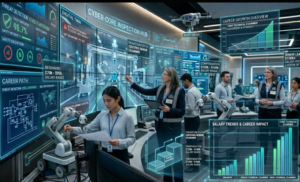
Most professionals begin their careers as engineers, quality analysts or compliance officers. These roles provide in-depth technical training as well as exposure to standards of operating.
Mid-Level Growth
Once they have gained experience, professionals may be promoted to the top examiner or audit roles. In this stage, they manage teams, oversee projects and handle more intricate audits.
Senior Leadership Opportunities
Professionals who are proficient can move into Chief Technical Examiner positions which supervise compliance and technology systems.
Salary and Job Outlook in 2026
The salary for Chief Technical Examiners varies on location and industry knowledge, know-how, and the specificization. In highly developed markets, highly skilled Chief Technical Examiners are paid at a competitive rate because employers appreciate their capacity to reduce operational risks and guarantee conformity.
The most recent developments in the field indicate an urgent need for specialists for technical oversight. Automation, AI systems, cybersecurity threats and increasingly stringent security rules continue to increase the need for highly skilled specialists in the field of technical surveillance.
Challenges Faced by Chief Technical Examiners
The position is accompanied by an immense amount of responsibility and stress. Chief Technical Examiners must keep up with the rapid advancement of technology, evolving regulations, and the complex operational processes. The balance between efficiency, safety and business goals isn’t easy, especially in high risk sectors.
Another concern is keeping their integrity and moral judgement. Because their findings could impact important financial decisions, Chief Technical Examiners should remain neutral and avoid conflicts of interest.
Future Trends and Technology Impact
Technology has changed the position of chief technical examiners’ duties. Machine learning and artificial intelligence predictive analytics, and automation tools are changing the method by which audits and technical inspections are performed. Monitoring systems that are based on digital devices allow firms to detect technical problems in real-time.
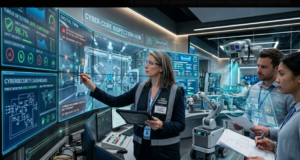
Cybersecurity is now a major issue. As companies increasingly depend on digital infrastructure, Chief Technical Examiners must be aware of cloud-based systems and digital frameworks to ensure conformity. Future examiners will require traditional technical knowledge as well as advanced digital skills.
How to Become a Successful Chief Technical Examiner
The way to be successful in this field is continuous education, a desire for knowledge, and a firm ethical Code of conduct. Professionals should be focused on learning about the field, developing their abilities to think analytically and gaining industry-specific certificates. Engaging with experts in the field and staying up-to-date regarding regulatory changes can aid in career advancement.
The most experienced Chief Technical Examiners aren’t only technical experts, they are they are also effective strategists and communicaters. They are skilled in translating scientific research into business ideas. They blend the power of leadership with technical depth, and also the practical expertise.
Conclusion
The Chief Technology Examiner is a crucial participant in ensuring the security of companies, projects and the security of the general public. As technology develops and regulations continue to develop and adapt, the need for skilled technical examiners will grow more prominent. They ensure that the technology systems operate securely, efficiently, and in line with the standards set.
From engineering and construction through manufacturing to IT Chief Technical Examiners help businesses to minimize risks, improve the quality of their work and maintain their the integrity of their operations. Their work occurs mainly behind the scenes, but the effect of their work is massive. Without robust technology-based examination methods, businesses would be more prone to the risk of compliance, safety issues, and operational problems.
Related content
FAQs
1. What exactly is a Chief Technology Examinationiner supposed to do?
The Chief Tech Examiner examines the technical systems and conducts audits of operation to ensure they are in conformity with the regulations performs audits, and evaluates the risks that could affect operations within the company.
2. Which industries employ Chief Technological Examiners?
Industries such as construction manufacturing, engineering, aviation infrastructure technology, energy and construction often employ Chief Technical Examiners.
3. What qualifications are required to be the Chief Tech Examiner?
A majority of positions require graduation from an engineering degree or technology. They also require industry expertise and certifications in quality assurance, auditing or the managing of conformity.
4. Does Chief Technical Examiner make a career that is lucrative?
Indeed, the highly skilled Chief Technical Examiners are typically payed handsome salaries because of their knowledge and expertise, as well as the accountability for security and compliance.
5. What are the most crucial skills needed by Chief Tech Examiners?
Thinking analytically, technological knowledge and leadership abilities along with the ability to communicate and pay attention to details and moral judgement count among the most crucial skills.