Introduction to the Glamping Economy
The tourism industry across the world has experienced significant changes over the last 10 years. People aren’t looking for the standard hotels or camping experience. They are seeking something fresh, exciting, and relaxing. This has triggered the growth of the tourism industry.
Glamping, an abbreviated term that translates to “glamorous camping,” combines the outdoors with luxury amenities. It allows travelers to enjoy the natural surroundings without compromising on the comforts of. From safari-style campers to geodesic domes and Glamping lodges that are lavish and lavish, they offer luxurious experience in nature.
What Is Glamping?
Glamping is also known as a type of tourism that combines outdoor experiences with the amenities that hotels offer. As opposed to traditional camping, which typically requires tents, as well as campsite equipment, and shared facilities lets guests enjoy:
beds that are comfortable and warm Private bathrooms Electricity and Wi-Fi Air conditioning or heating Elegant interiors Its concept is built in the simplicity of its use and aesthetics, with a constant relation with Nature. Understanding the Glamping Economy The word “glamping economy” refers to all the elements that make up a lavish camping experience. It includes:
operators of Glamping websites
Property developers
Equipment manufacturers
Businesses that run hotels
Service tourism providers
Digital booking platforms, as well as tourism organizations that promote camping.
With an increasing consumer desire for more luxurious travel, the Glamping industry continues to expand in the same way across the world.
Key Drivers of Glamping Market Growth
1. Rising Demand for Experiential Travel
Travelers are now more interested about experiences, and not just things with value. In contrast to the traditional hotel experience, they are searching for unique and memorable places. Glamping is an excellent method to mix Instagram-worthy destinations with the comforts of hotels, resulting in memorable.
2. Growth in Eco-Tourism
Sustainability is an important element when it comes to camping. Glamping locations focus on sustainability, sustainable design, and energy-efficient construction, with very minimal impact on the natural surroundings. People who care about the environment would prefer a place that is in keeping with their convictions.
3. Post-Pandemic Travel Trends
Due to the difficulties of travel throughout the world Travelers tend to opt for staying in nature, which is more secluded than hotels that are overcrowded in cities. Camping is a safe, private, and secure area. It’s also a wonderful location to enjoythe fresh air.
4. Increased Disposable Income
For a variety of regions, rising middle-class incomes allow consumers spend more on extravagant and luxurious vacations.
Types of Glamping Accommodations
The Glamping Economy offers a variety of different types of accommodation.
Safari Tents
Inspired by African Safari lodges. These enormous canvas tents are usually accompanied by hardwood floors, beds, and bathrooms that can be exclusive.
Treehouses
Most lavish trees combine memories of childhood nostalgia with modern design and luxurious.
Geodesic Domes
Dome-like buildings offer stunning views and distinct style that is why they are a favorite option for observing distant landscapes.
Luxury Cabins and Pods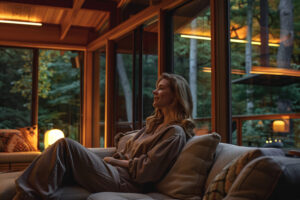
The small, stylish cabins equipped with modern conveniences are becoming increasingly popular in mountainous and forested areas.
Yurts and Airstream Trailers
Its properties blend traditional and traditional styles, with contemporary technological advances. Its different categories contribute to the diversification and growth of the glamping industry.
Economic Impact of the Glamping Industry
Glamping is a source of income for many industries. It helps in the growth of rural areas by providing tourism services to remote areas. Local communities are benefited by the growing demand for catering and beverages, as well as guided tours, transportation, and the production of goods by hand. Camping facilities require landscaping and design in order to maintain the interior, along with maintenance and construction services. This creates employment opportunities in the tourism and real estate.
Websites for camping that provide camping services are typically located in areas that have low levels of development, and could aid in the development of regional economies.
Business Opportunities in the Glamping Economy
Glamping may be a trend being considered by business owners as a lucrative option for investment.
Low Initial Infrastructure Compared to Hotels
Glamping in contrast to hotel structures that are massive, typically has lower construction costs. Most structures are either modular or temporary, which means they’re more secure financially.
High Profit Margins
The most luxurious outdoor experiences typically have costs that are higher due to their exclusivity and exclusivity.
Seasonal Flexibility
The camping facilities are available during the season, allowing the owners to control their expenses according to their needs.
Digital Marketing Potential
Glamping is a business that thrives on aesthetic appeal. Social media platforms play an essential role in attracting clients. Beautiful designs and stunning landscapes are sought after by a large majority of people, with the added benefits that organic marketing has to offer.
Technology and Innovation in Glamping
Today, Glamping incorporates technology to improve guest experience. Booking online and reservation systems, together with intelligent solar energy control for the integration of climate, and remote tools for managing properties to increase effectiveness.
VR Tour, along with different digital strategies, is used to market to attract foreign visitors. Operators in Glamping can make use of technology to blend environmentally sustainable practices with extravagance. Challenges Facing the Glamping Economy Although HTML0 has seen rapid growth, it has some challenges.
Regulatory and Zoning Restrictions
A few regions have strict rules on how to utilize the land, and this could restrict the expansion of the land.
Environmental Concerns
Inadequate plans c an damage ecosystems in the event that sustainable practices aren’t implemented promptly. Seasonal Demand Fluctuations Conditions in the weather can affect the rate of occupancy for camping as well as other outdoor lodgings.
Competition and Market Saturation
The market for Glamping is growing as competition grows. Operators must be distinguished by the quality of their services, their designs, and their location. Future changes to Glamping will bring about a significant transformation in the Glamping Industry Market, as camping is expected to expand due to the inclusion of a broad range of the latest trends.
Luxury Wellness Retreats
Many Glamping websites are now offering yoga retreats Spa treatments, wellness, and yoga programs.
Remote Work and Digital Nomads
Because remote work has become more popular, individuals are searching for authentic, organic, natural, and sustainable accommodations available through the internet and which is trustworthy.
Sustainable Construction Materials
designs, which are green technology for Off-Grid are very common.
Personalized Experiences
packages that can be tailored to specific needs, like private eating, guided tours with other experiences that are meticulously curated, are gaining popularity. These trends suggest a broader development of the sector.
Why the Glamping Economy Matters
Camping’s potential for economic suc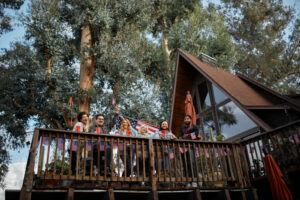 cess is a sign of a shift in consumer tastes. Today’s travelers seek tranquility and sustainable development, as well as an opportunity to enjoy unforgettable experiences instead of traditional hotel models.
It blends real estate and tourism with environmental consciousness as well as digital advertising to create an exciting marketplace. Its constant growth is a sign of the increasing demand for various tourist activities.is a must for professionals, entrepreneurs, and investors working in the field of tourism. Knowing the market for Glamping can provide insights into the future of tourism trends
Conclusion
Glamping is an exciting development in the field of travel. It’s a combination of luxury, sustainability, and a range of exciting outdoor adventures. As more and more tourists look to reap the benefits of luxury Glamping that is exclusive and sustainable, it is now a viable alternative to traditional camping and hotels. The contribution to the economy of this sector extends far beyond the hospitality industry. It contributes to the growth of rural areas, creates jobs, encourages eco-friendly innovations, and helps in the development of local economies. Entrepreneurs and investors are beginning to realize the potential in this sector because of the low costs of infrastructure and efficient pricing models.
With no regulation of seasonal demand, environmental concerns persist; however, the long-term prospects for the glamping industry is highly optimistic. With the change in the tastes of the public toward more authentic camping is expected to become the largest and fastest growing segment of the global tourism market.
FAQs
1. What is Glamping’s economics?
“Glamping economy” or “glamping economy” refers to the economic and business environment that is built on luxury camping. This is an indication of the owner of websites that promote glamping as in addition to tourist service companies, manufacturing equipment, and online booking platforms that offer a lavish camping experience.
2. What is it that has caused the business of glamping so rapidly?
markets are growing due to the rising interest in ecotourism and adventure travel as well as the increasing demand for ecotourism as well as post-pandemic demand for accommodations in private residences, and the rising disposable incomes of those searching for the most pleasurable outdoor adventures.
3. Glamping is an income-generating business?
Glamping can be profitable due to its low cost of construction compared to hotels, as well as the capacity to charge an additional cost for a particular stay. However, it’s dependent on the place of the marketing plan, the occupancy rates, and the resolution of operational issues.
4. How can Glamping help sustain sustainability?
The majority of campsites employ environmentally friendly materials and energy sources that are renewable, along with techniques of construction that have very minimal impacts on the environment. They are usually situated in natural areas, and protecting nature is the main objective.
5. What are the biggest issues that face this industry?
Most commonly encountered issues are zoning restrictions limitations on compliance with regulatory requirements as well as the control of environmental impacts. fluctuation in demand during the season and an increase in tourist competition in the most popular tourist destinations for tourists.
6. What’s the next step for Glamping’s market?
The future of the glamping business is expected to be thrilling thanks to the most recent innovations that include wellbeing retreats and remote workspaces that are green, as well as making the experience more personalized for guests, leading to a rise in demand.