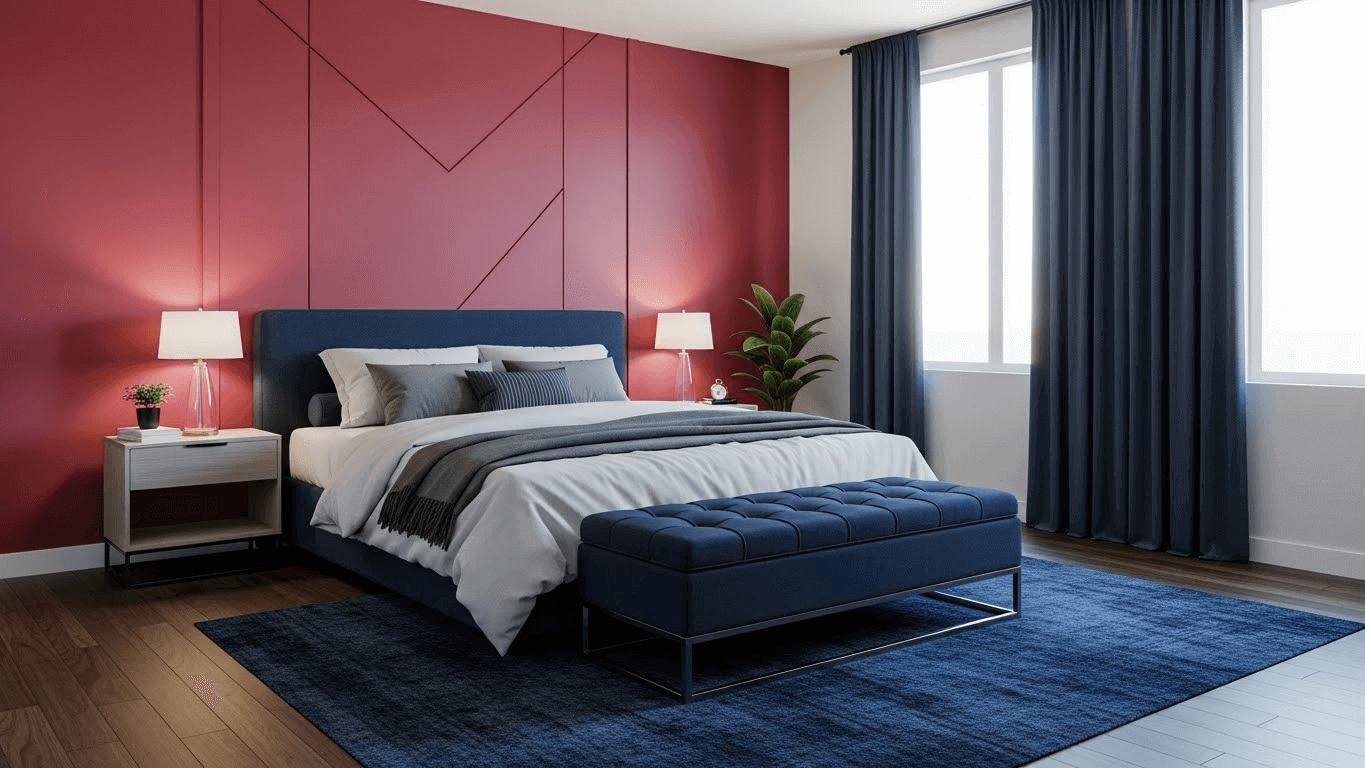
Your bedroom should be your own personal sanctuary. A space where you can truly be yourself, away from the outside world. Yet how many bedrooms actually feel personal? Too many end up looking like they’ve been lifted straight from a furniture catalogue rather than reflecting the unique person who sleeps there.
What if your bedroom could tell your story instead of copying someone else’s?
You don’t need to follow the latest trends or recreate influencer aesthetics to create a room that feels undeniably yours. The secret lies in understanding what genuinely resonates with you – from the colours that lift your mood to the textures you love to touch.
We’ll show you how to design a bedroom that authentically represents your personality. You’ll discover bedroom interior design ideas that go beyond generic styling. Whether you’re drawn to minimalist calm or bohemian warmth, we’ll explore practical bedroom interior design tips for choosing bedroom styles that match your natural preferences. Most importantly, you’ll learn interior bedroom design strategies that balance personal expression with real-life functionality.
Your bedroom deserves to feel like home, not a showroom.
Discovering What Makes Your Bedroom Truly Yours
Why your bedroom should reflect your authentic self
Think about it – your bedroom is where you’re most vulnerable. It’s where you sleep, where you change, where you let your guard down completely. Researchers examining personality projection on physical spaces found that bedrooms are ideally suited for studying how people shape environments to reflect who they are. Unlike brief social interactions that provide only snapshots of behaviour, your bedroom accumulates weeks, months or years of information that’s difficult to fake.https://agedinsight.com/
Your physical space does more than just look pretty. Studies spotlight an interaction between places and emotions that helps shape identity and well-being. Some spaces ramp up your anxiety levels, whilst others provide genuine calm. Your bedroom can function as a restorative niche, a physical place where you regain your natural self and indulge your authentic personality.
Here’s something fascinating: acting out of character actually imposes physiological costs, making it energetically demanding to maintain personas that don’t align with your true nature. Your bedroom shouldn’t force you to pretend to be someone you’re not.
The difference between trends and personal style
Trends offer valuable inspiration, but following them blindly doesn’t always lead to interiors with lasting presence and meaning. Design trends come fast and furious through social media, making it challenging to create spaces that feel authentic to your personal style. The fundamental difference? Trends inevitably evolve or fade, whilst personal style endures.
What colours do you naturally gravitate towards? What finishes and materials already exist in your home? Which design ideas from memorable travels or luxury hotels still make you smile? When you consider these elements, you create a blend that provides a finished design with extended lifespan. This approach results in a space you’ll identify with and feel at home in, far more than any passing trend.
Taking time to be mindful of what makes you feel good proves essential. Don’t just scroll through Pinterest – pause and ask yourself what genuinely resonates.
How your personality shapes bedroom interior design choices
Different colours invoke distinct emotions and feelings, making your personality the determining factor in selecting the perfect colour scheme. Want your room to function as a quiet sanctuary? That preference directly influences your bedroom interior design choices. Need a creative space that energises you? That’s a completely different direction.
Textures dramatically impact the overall look and feel. Soft, sumptuous environments suit those who seek comfort, whilst bright and airy rooms appeal to people desiring clean, productive spaces. Are you someone who loves sinking into plush fabrics, or do you prefer crisp, structured materials?
Describing your personality provides the guiding light in selecting elements that truly resonate with your unique style. Infusing your passions into interior bedroom design makes your space genuinely personalised and reflective of your individuality.
The secret lies in honest self-reflection rather than aspirational mood boards.
Essential Bedroom Interior Design Tips for Personal Expression
Now comes the exciting part: turning your personality into a space you’ll love waking up in. These bedroom interior design tips give you a clear framework for creating a room that genuinely represents who you are.
Starting with a colour story that speaks to you
Your colour choices do far more than just look pretty. Light, warm tones create bright, cheerful spaces that energise morning routines. Bold tones add playful pops perfect for creative, eccentric personalities. Cool greys and blues establish that calming environment your mind craves after busy days.
Think about the mood you want to wake up to. Soft pinks bring nurturing warmth. Deep blues create dramatic cosiness. Earthy greens offer balanced wellness vibes. Your natural inclinations should guide these choices, not what’s trending on social media.
Investing in quality pieces that align with your values
Quality furniture means choosing materials like hardwood and premium fabrics that actually last. Want to feel good about your choices? Look for FSC-certified panels from responsibly managed forests, reclaimed wood pieces, and organic water-based paints with minimal environmental impact.
These pieces maintain their beauty over time whilst supporting ethical production practices. You’ll rest easier knowing your bedroom reflects your values, not just your aesthetic preferences.
Choosing bedroom styles that match your natural preferences
Minimalist designs suit introverted personalities who find peace in order and simplicity. Bohemian spaces reflect unconventional, artsy souls with eclectic collections and stories to tell. Romantic styles create timeless, princess-like atmospheres using delicate colours and soft textures.
Rustic cottagecore appeals to wandering spirits seeking cosy hideaways. Nature-inspired rooms filled with plants demonstrate confidence and appreciation for life’s natural cycles. Which description makes you think “Yes, that’s me”?
Mixing old and new for a collected, personal feel
Pairing contemporary pieces with vintage finds creates depth and tells your unique story. Picture a sleek modern bed frame alongside antique bedside tables – the contrast adds character you can’t buy from a single furniture store.
The 80/20 rule works beautifully here: use 80% modern items with 20% vintage pieces for balanced elegance. Distribute different eras throughout your room rather than grouping everything by age.
Scaling furniture to create the atmosphere you want
Furniture proportion dramatically affects how your room feels. Less bulky pieces promote calm, spacious feelings that help anxious minds settle. Oversized furniture can work in smaller spaces when you balance it with large-scale art and properly distributed visual weight.
The goal is intentional drama, not cramped confusion. Choose pieces that support the atmosphere you’re after, whether that’s airy minimalism or cosy intimacy.
Layering textures and materials you love to touch
Here’s where your bedroom becomes truly sensual. Combine linen and cotton for coastal lightness. Mix wool and bouclé for comforting warmth. Silk and velvet add instant elegance.
Don’t forget to mix wood, glass, and metal finishes together. Layer different fabric weights on your bed: crisp cotton sheets as your base, linen duvets for breathability, and wool throws for that luxurious, hotel-inspired depth you’ll want to sink into every night.
Practical Ways to Infuse Personality Into Every Corner
The finishing touches make all the difference. They’re what transform your bedroom from competent to deeply personal, creating a space that’s undeniably yours.
Customising your bed as the room’s personal centrepiece
Your bed anchors the entire room, so make it count. Oversized upholstered headboards with plush padding create luxury that instantly catches the eye. Sculptural or geometric designs stand out, particularly when crafted from velvet or rich fabrics that add tactile presence. Custom beds featuring extended shelving units and built-in nightstands elevate spaces functionally. Reclaimed wood headboards set casual tones whilst contrasting beautifully with bold artwork.
Takeaway Tip: Your headboard doesn’t need to match your other furniture. Mix materials for a more collected, personal feel.
Creating meaningful vignettes with your treasured items
Small decorative displays prevent bedrooms from feeling spartan. The secret lies in arrangement: objects in odd numbers look more natural than even groupings. Balance height by pairing tall items with lower pieces. Mix materials and add texture through varied finishes. Display items that carry emotional weight, creating visible markers of your life.
Don’t underestimate the power of personal collections. Whether it’s vintage perfume bottles, travel souvenirs, or handmade ceramics, these touches tell your story better than any designer accessory.
Using lighting to support how you live and feel
Bedrooms call for lighting that glows, not glares. Harsh overhead lighting kills the mood instantly. Instead, layer your lighting with accent options including bedside table lamps, pendants, and wall sconces. Indirect lighting with dimmers creates soft ambience. Aim for 2,700k lightbulbs delivering warm white glow. Warm-toned ambient lighting paired with bedside lamps adds intimacy.
Incorporating scent, sound and sensory details
The best bedrooms engage all your senses. Soothing scents such as lavender, chamomile, and vanilla promote relaxation. White noise machines mask disruptive sounds. Varied textures through bedding and weighted blankets provide calming tactile experiences.
These sensory layers create depth that photos can’t capture. Your bedroom should feel as good as it looks.
Making Your Bedroom Work for Your Real Life
Personal style means nothing if your bedroom interior design falls apart when you actually live in it. You need a space that looks beautiful and works brilliantly for your daily routine.
Designing for comfort without sacrificing your aesthetic
Who says you have to choose between style and comfort? Warm minimalism emerges as a 2025 trend that marries comfort with style, focusing on clutter-free spaces that feel inviting rather than empty. The secret lies in selecting earthy neutral tones such as creamy ivories, soft beiges, and subtle terracottas.
Fitted wardrobes designed to exact room dimensions eliminate dust-collection gaps whilst creating sleek, handle-free looks that blend seamlessly with walls. Storage beds with ottoman frames offer hidden compartments for linens, particularly valuable in smaller rooms where every piece must work harder.
Takeaway Tip: Choose furniture that serves multiple purposes without compromising on the aesthetic you love.
Hiding technology and clutter while keeping functionality
Your phone charger doesn’t need to be the first thing you see when you wake up. Custom furniture with integrated docking drawers for phones or tablets promotes better sleep hygiene, particularly in bedroom nightstands. Millwork does wonders in making electronics disappear, with dedicated cabinetry space for routers and devices.
Beds with built-in drawers or ottomans with storage space keep visual clutter at bay. The golden rule? Group similar items together and designate one home for each grouping. This simple approach prevents your personal sanctuary from becoming a dumping ground.
Adapting guest rooms and shared spaces with personality
Guest rooms shouldn’t feel like hotel rooms. Murphy beds or daybeds allow guest rooms to pull double duty for home offices or workout equipment. Your guests will appreciate the thoughtful design, and you’ll love the extra functionality.
Sharing a bedroom presents unique challenges. Symmetrical layouts with twin beds create fairness in shared bedrooms, whilst colour blocking establishes visual ownership for each occupant. For children’s rooms, bunk beds maximise vertical space in children’s shared rooms, freeing floor area for activities.
Remember, even shared spaces can reflect personality – it just takes a bit more creativity.
Conclusion
Your bedroom should tell your story, not someone else’s. Start with choices that genuinely resonate with you rather than following what’s trending on social media. The bedroom interior design ideas we’ve explored give you a practical framework for creating a space that feels authentic whilst working for your daily life.
Colour, texture, and personal treasures work together to reflect who you actually are. Whether that’s soft greens for tranquil mornings, vintage finds that spark joy, or lighting that makes you feel at ease – these elements create a room that’s undeniably yours.
You deserve a bedroom that welcomes you home every single day. So go ahead, make it personal.
FAQs
Q1. How can I make my bedroom reflect my personality?
Start by choosing a colour scheme that resonates with your emotions and preferences. Display items with sentimental value, mix different styles that appeal to you, and incorporate textures you love to touch. Add personal artwork, create meaningful vignettes with treasured objects, and use lighting that supports how you live and feel. The key is selecting elements that genuinely speak to who you are rather than following trends.
Q2. What’s the difference between following trends and developing personal style in bedroom design?
Trends come and go quickly through social media and inevitably fade, whilst personal style endures over time. Following trends might create a catalogue-perfect room, but it won’t necessarily feel authentic to you. Personal style emerges from considering colours you naturally gravitate towards, materials already present in your home, and design ideas from memorable experiences. This approach creates a space you’ll identify with long-term.
Q3. How do I add personality to my bedroom without making it feel cluttered?
Create small decorative displays with objects that carry emotional weight, arranging items in odd numbers for a natural look. Balance height by pairing tall items with lower pieces and mix different materials for texture. Use fitted wardrobes and storage beds to hide clutter whilst maintaining functionality. The goal is to display meaningful items that tell your story without overwhelming the space.
Q4. What role does colour play in creating a bedroom that reflects who I am?
Different colours invoke distinct emotions and feelings, making your personality the determining factor in selecting the perfect scheme. Light, warm tones create bright, cheery spaces for energetic personalities, whilst cool greys and blues establish calming environments for those seeking tranquillity. Bold tones suit eccentric personalities, and earthy greens appeal to those desiring balanced wellness. Your colour choices should reflect both your desired mood and natural inclinations.
Q5. How can I balance comfort with style in my bedroom design?
Focus on warm minimalism that creates clutter-free spaces feeling inviting rather than empty. Select earthy neutral tones and invest in quality pieces made from durable materials like hardwood. Use fitted wardrobes and storage beds to maintain sleek aesthetics whilst providing functionality. Layer different textures through bedding and soft furnishings, and choose lighting that glows rather than glares to create both comfort and visual appeal.