Definition and Core Concept
A Tracqueur is a device for tracking created to track the movement, location, or the status of an object, vehicle or individual in real-time or over a long period of time. Simply put, it operates as a “breadcrumb trail,” constantly changing where things are and even how it’s utilized. If it’s connected to your car, tucked in a package or utilized to track the location of the location of a pet that has gone missing, traceurs are now a vital aspect of modern-day life.
Imagine a tracqueur as an unmoving observer who doesn’t sleep. It gathers data on a continuous basis and transmits it to a connected device, typically computers or smartphones. This lets users access instantaneous information. The basic idea behind it is tracking, monitoring and enhance decision-making based on precise location data. But behind this simplicity is the latest technology that integrates sensors, satellites, and connectivity.
How Tracking Technology Has Evolved
Technology for tracking has made significant progress from radio signals that were merely basic and manual recording systems. Tracking in the past was a large equipment and was typically restricted to scientific or military use. Today trackers are tiny light, compact, and robust. The advent of GPS revolutionized tracking by making it possible for devices to pinpoint precise locations everywhere on Earth. Then, technology like Bluetooth and RFID allowed short-range tracking to become more efficient and affordable. The advent of mobile phones and the cloud transformed trackers to smart devices with instant updates and advanced analytics.
This change is caused by the growing demands for information. Companies want to know what their assets are located and people want to ensure their possessions secure and governments are seeking more effective surveillance systems. In the process the trackers are becoming smarter faster, more speedy, and secure, seamlessly integrating into our life.
Types of Tracqueurs
GPS Tracqueurs
GPS trackers are among the most commonly utilized tracking devices. They use signals from satellites to determine the precise location, typically within only a few metres of precision. They are typically employed for tracking vehicles as well as fleet management and outdoor activities.
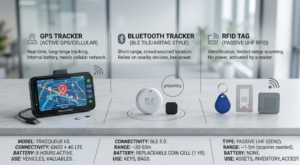
One of the most significant benefits of GPS traceurs is their capacity to function over long distances. No matter if a vehicle is located in the city or in a remote location the device is able to deliver accurate information provided it can access satellite signals. This makes them perfect for logistics firms and long-distance transport. But, GPS trackers do require an open vision of the sky to perform their job efficiently. In dense areas or in underground construction sites, their accuracy can diminish. However, despite this they are still the core in modern-day tracking technology.
Bluetooth Tracqueurs
Bluetooth Tracqueurs are specifically designed to track objects within a short distance. They are the tiny devices that are commonly used to locate lost objects like keys or wallets. They connect to your mobile and utilize Bluetooth signals to indicate the location of the item.
What is it that makes Bluetooth traceurs so appealing is their affordability and simplicity. They don’t need satellite connections or complicated setups. Instead, they depend on nearby devices to find lost objects. Certain models are even using crowdsourced networks to increase their capabilities. The drawback is the fact that they are limited in their range. When the device is beyond Bluetooth range, the tracking is less accurate. However, for daily usage, they’re extremely convenient and efficient.
RFID-Based Tracqueurs
RFID (Radio Frequency Identification) tags are widely used in the fields of manufacturing, retail logistics, and manufacturing. The devices make use of radio waves to detect and track objects, usually without the need for direct contact. RFID trackers are extremely efficient for inventory management. They permit businesses to scan multiple items simultaneously which saves time and reduces the chance of making mistakes. In contrast to GPS as well as Bluetooth, RFID systems are more concerned with identification than tracking of location.
Differences Between Technologies
| Feature | GPS Tracqueur | Bluetooth Tracqueur | RFID Tracqueur |
|---|---|---|---|
| Range | Long-distance | Short-range | Very short-range |
| Accuracy | High | Medium | Low (location-based) |
| Use Case | Logistics, vehicles | Personal objects | Management of inventory |
| Connectivity | Satellite | Smartphone | Scanner-based |
How a Tracqueur Works
Signal Transmission Explained
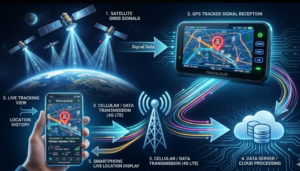
The basic principle behind the tracqueur functions by transmitting signals and receiving them. Based on the type it is communicating with, it could be smartphones, satellites and scanners. For instance the GPS traceur detects signals from satellites in order to determine its exact location. It then relays the information to a server using mobile networks. This happens in a matter of minutes, allowing users to get live updates in real time. It’s like having a map that continuously refreshes itself. The technology behind this is intricate however the user experience has been made to be easy and easy to use.
Data Collection and Processing
When the tracqueur has collected the location data, it analyzes and transmits the data to a central system. The system can save the data then analyze it and display the information in a user-friendly format. A lot of modern trackers have mobile apps that show maps routes, alerts, and routes.
The true strength lies in the data analysis. Businesses can analyze the patterns of their customers, optimise routes and increase efficiency. Individuals can track their the movements of others and be sure to ensure security. The combination of information and accessibility makes tracqueurs extremely useful.
Key Features of Modern Tracqueurs
Real-Time Tracking
Real-time tracking is among the most significant aspects of the Traqueur. It lets users know the exact position of an object at any moment. This is particularly useful for logistics and security.
Geofencing Capabilities
Geofencing allows users to define virtual boundaries. If a it is in or leaves a particular zone, it will trigger an alarm. This is helpful for securing vehicles as well as children or other important assets.
Battery Efficiency
Modern tracqueurs are made so that they last for a longer time on one charge. Some models can last for months or even weeks without requiring an additional recharge. This makes them suitable to use over the long term.
Uses of Tracqueurs in Everyday Life
Personal Safety and Security
Tracqueurs play a crucial role in personal safety. Parents rely on them to watch their children’s progress, while people utilize them to track their personal possessions. In times of crisis the use of a tracqueur may significantly improve the situation.
Vehicle Tracking
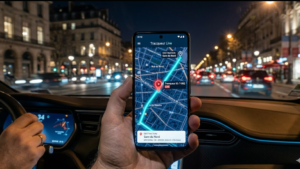
Vehicle tracking is among the most popular applications of traceurs. It can help prevent theft, track driving habits and enhance efficiency in fuel consumption. Insurance companies often offer discounts when you use tracking devices.
Asset Management
Employers use tracqueurs for managing assets more efficiently. From equipment to tools everything can be traced and tracked. This decreases the chance of loss and increases accountability.
Tracqueurs in Business and Industry
Logistics and Supply Chain
In logistics, tracqueurs can be crucial for tracking the progress of shipments and making sure they are delivered on time. They offer real-time updates, aiding companies in avoiding delays and enhance customer satisfaction.
Fleet Management
Fleet management systems are heavily reliant on traceurs. They aid in monitoring the performance of vehicles as well as optimize routes and lower operating costs. This results in increased efficiency and profit.
Advantages of Using a Tracqueur
Improved Efficiency
Tracqueurs can streamline processes by providing precise data. Businesses can make better-informed decisions to reduce costs, cut down on waste and increase productivity.
Enhanced Security
Security is an important benefit. It doesn’t matter if it’s to protect a vehicle or tracking valuable objects Tracqueurs offer security and peace of mind.
Limitations and Challenges
Privacy Concerns
One of the most difficult issues is privacy. The use of tracking devices could be illegal in the absence of proper regulation. It is crucial to use tracqueurs in a responsible manner and ethically.
Technical Limitations
Technology isn’t perfect. The loss of signals, battery problems as well as environmental conditions can impact the performance. Knowing these limitations is essential to making use of tracqueurs efficiently.
Choosing the Right Tracqueur
Factors to Consider
When selecting a tracqueur, think about factors like battery life, range precision, cost, and range. Different needs require different solutions.
Budget vs Features
It is important to find a balance between the budget with features. Although high-end tracqueurs come with advanced features, standard models can be adequate for basic needs.
Future of Tracking Technology
AI Integration
Artificial Intelligence is set to change the way that tracqueurs are tracked. In the future, from predictive analytics through automated decision making AI can make tracking more efficient as well as more effective.
IoT and Smart Connectivity
The fusion of tracqueurs and technology like the Internet of Things (IoT) will create a connected system. Devices will communicate with one and provide seamless monitoring and tracking.
Conclusion
The realm of technology based on tracqueur is rapidly expanding changing the way we monitor, track as well as manage all of our items to supply chains across the globe. What began as a simple concept of tracking has now evolved into a sophisticated system that is powered through GPS, Bluetooth, RFID and other smart connectivity. These gadgets are no longer optional. They have become essential tools to ensure safety, efficiency, and making decisions.
As technology improves and advance, tracqueurs are expected to become more sophisticated, integrating AI as well as IoT to offer more detailed insight and automate. However users should be aware of the privacy implications and ethical concerns to ensure responsible use. If you’re a person trying to safeguard your belongings or a company looking to improve its operations, selecting the appropriate tracqueur could be a major difference.
FAQs
1. What is the reason for an traceur?
A tracqueur is a device used to monitor the location and the movement of vehicles, objects or even people in real-time or over a time.
2. Are tracqueurs legal to use?
Yes Traqueurs are legal in many areas, however their use must be regulated by privacy regulations and laws.
3. How precise are GPS traceurs?
The majority of GPS traceurs are accurate to within a few meters based on the strength of the signal and the surrounding.
4. Can tracqueurs be used without internet access?
Certain tracqueurs are able to save data offline, however real-time tracking generally requires internet connection.
5. Which is the most suitable tracqueur for your personal use?
Bluetooth tracqueurs are great for personal use, while GPS trackers are best for tracking vehicles and long distances.