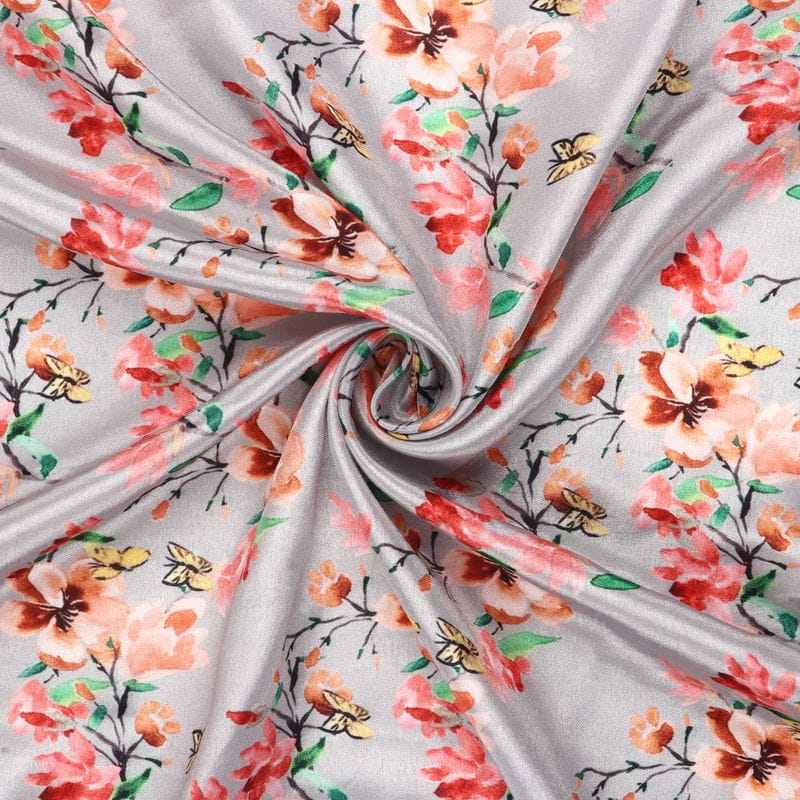
Crepe has captured its niche in the world of textiles as one of the most versatile and classy fabrics. Crepe fabric is also a popular material in India used in dresses, gowns, blouses, scarves and even in home furnishings such as curtains, and pillows because of its wrinkling and light-weight drape.
The breathless, smooth and soft quality makes it more suitable in summer and the flowing drape offers a slimming effect that is sophisticated. Due to the growing trend of fashion and home initiatives in India, crepe cloth today is one of the leading choices among designers and DIYers.
What Kind of Fabric is Crepe?
Crepe is a material and it has a crinkled bumpy texture making it look distinctive in comparison to other fabrics. Notably, the fabric is not called crepe, but the weaving process.
Crepe fabric can be made from:
-
Silk- conventional and expensive choice.
-
Cotton- soft and breathable during summer.
-
Wool – used in winter garments
-
Polyester and Rayon- inexpensive and firm substitutes.
Crepe wraps its wrinkled texture is done by tightly twisting the fibers and then woven becomes the fabric that gives it an elegant drape, and this is what makes crepe cloth to be an ideal fabric in making fancy clothes and domestic cloth.
Read more Eicher Tractor.
History of Crepe Fabric
The history of crepe is several centuries old. The method of realizing textured fabrics was originally observed in ancient Egypt, though crepe was most noticeable in 19th century France. The French mastered the art of making quality crepe, which they have linked with being luxurious, classy and sophisticated. As time passed, crepe gained popularity in the world making it an essential part of the wardrobe of both the casual and formal attire.
Crepe fabric has been a favorite of designers and fashion lovers all over the world due to its everlasting popularity and universal qualities.
Specialties of Crepe Fabric
All crepe fabrics have in common some aspects:
-
Wrinkled Texture: Rough bumpy surface.
-
Lightweight/Light: Soft: does not stick to the skin.
-
Fluid Drape: Ideal with gowns, dresses and flowing outfits.
-
Breathable and Summer-Friendly: Keeps the wearer cool in the summer.
-
Made of Absorbent and Heat-Resistant: Ideal to use in summer garments.
-
Fragile: Must be taken care of (dry clean or wash by hand)
Crepe also happens to be slimming and flattering and this is used in making clothes that demand a graceful form.
Types of Crepe Fabric
-
Crepe de Chine
-
Originated in China
-
Lightweight and soft
-
Usually silk, can be made of polyester.
-
Smooth texture, not puckered
-
-
Crepe Georgette
-
Soft and slightly elastic
-
Drapes beautifully
-
Trendy and often worn in gowns and expensive dresses.
-
-
Polyester Crepe
-
Lightweight and durable
-
Affordable alternative
-
Worn in dresses, shirts, and pants.
-
-
Scuba Crepe
-
Polyester (high spandex low content).
-
Velvety, silky, crepey.
-
-
Plissé Crepe
-
Treated chemically in order to form pleats.
-
Usually made from cotton
-
Gives clothes volume and texture.
-
-
Crepe Back Satin
-
On one side is satin, On the other is crepe texture.
-
Worn as fancy dresses and night-time wear.
-
-
Crepe Charmeuse
-
Satin fabric twisted yarn.
-
Shiny, cynaptic, and velvety.
-
Uses of Crepe Fabric
Crepe cloth has a wide range of applications as they can be used in:
-
Fashion Clothing: Gowns, dresses, sarees, blouses, pants and scarves.
-
Home Decor: Pillow Covers, Curtains, and Decoration.
-
Summer Wear: Tops, skirts and lightweight clothing because it is breathable.
-
Special Occasion: Wedding dresses, evening dresses and trend clothes.
Crepe cloth is very flexible and can therefore be used in both DIYs and professional fashion designing.
Advantages of Crepe Fabric
-
Gorgeous Draping: Gives a touch of class to clothes.
-
Lightweight and Breathable: All-day comfortable.
-
Flexible Application: Out to in-home fabrics.
-
Flattering & Slimming: Improves the figure of the wearer.
-
Heat Resistant: Indian summers perfect.
-
**Sustainable Alternatives offered Durable polyester or silk blends have longer life.
-
Simple to Customize: Does not work with prints, embroidery, and patterns.
Crepe fabric shopping tips in India.
-
Go with the Good: Silk, cozy and cotton, durable polyester.
-
Check Fabric Weight: Lightweight in summer, heavier in formal dressing.
-
Choose the Right one: Crepe georgette dresses, plissé texture.
-
Seek Value: Clean laying and clean finish.
-
Compare Prices: In the online store, often you find better prices when you put in a large order.
How to Care for Crepe Fabric
-
Dry Clean Preferred: Ideal with silk and fragile ones.
-
Hand Wash: Cold water to be used with polyester and cotton versions.
-
Should not be Machine Wash: Can destroy the sensitive strands.
-
Ironing cautiously: Low temperature, use of a pressing cloth when necessary.
-
Storing: Hang or fold without much pressure to preserve texture.
FAQs
Q1: What kind of fabric is crepe?
Crepe is a wrinkled fabric that is smooth and it is fabricated with silk, cotton, wool, polyester or rayon.
Q2: Does crepe work in the summer?
Yes, crepe material is breathable, light weight and has resistance to heat hence suitable in hot weather.
Q3: Is crepe fabric 100% cotton?
Not always. Crepe may be of cotton, silk, polyester, wool or mixed fibers.
Q4: Is crepe better than cotton?
Crepe is of a special texture, graceful fold, and flattering fit. Cotton is more informal and lighter. Crepe is also used on the formal wear and fashion designs.
Conclusion
Crepe is an elastic and reusable and sophisticated fabric that can be used in fashion and household activities. Its light, breathable and flowing texture is perfectly suitable to Indian summers, whereas the range of types is enormous: silk, georgette, polyester and many others will be suitable to different types of budgets and purposes.
Whether you are purchasing crepe cloth in gowns, dresses, scarves or home decor, you have the opportunity to purchase the right kind of crepe material that will enhance the quality and style of your project. When well taken care of, crepe cloth may be soft, graceful, and last many years.
Also read more information.