Lighting design in rental properties is more than just placement and aesthetics. In 2025, UK landlords and property developers must ensure that lighting systems also meet legal safety standards. This is especially critical in Houses in Multiple Occupation (HMOs), where fire safety, emergency lighting, and electrical compliance are heavily regulated.
Why Lighting Design Matters in Rentals and HMOs
Lighting affects tenant comfort, energy costs, and legal compliance. Poor lighting can:
- Increase fire risk
- Led to failed inspections
- Cause injury or claims from tenants
- Trigger fines from local authorities
For HMOs, the risks are higher due to shared spaces and greater occupancy. This is why councils demand certified emergency lighting systems, regular electrical safety checks, and proof of an EICR Certificate.
Key Electrical Safety Requirements in Lighting Design
Whether you’re fitting new lighting or upgrading existing fixtures, keep the following requirements in mind:
1. Emergency Lighting in Common Areas
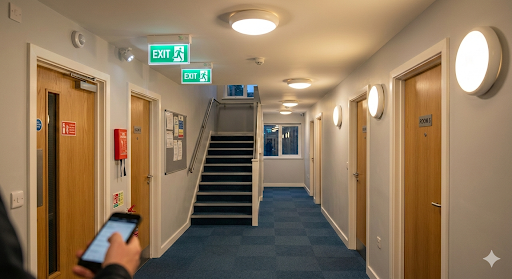
All HMOs must have emergency lighting installed in:
- Corridors and staircases
- Escape routes and exits
- Shared kitchens and lounges
2. IP-Rated Lighting in Bathrooms
In all rental homes, especially HMOs, bathrooms must use IP-rated lighting fixtures to prevent electric shock. Choose fittings rated IP44 or higher for zones near water.
3. Low-Energy, Safe Lighting Solutions
Use LED lighting to reduce heat output, save energy, and avoid overloading circuits. LEDs also last longer and reduce maintenance for landlords.
4. Smoke and Fire Alarm Integration
In HMOs, lighting design must work in coordination with fire detection systems. Install linked smoke alarms and avoid placing lighting fixtures that block sensors or interfere with visibility during an evacuation.
Role of Electrical Testing and Certification
Proper lighting must be backed by valid certificates. These include:
- EICR for HMOs and rentals (required every 5 years or at tenancy changes)
- Emergency Lights Test Report (yearly)
- Fire Alarm Test Report (for properties with alarm systems)
- Portable Appliance Testing (PAT) if lighting includes plug-in lamps or fittings
Without these, landlords risk invalid insurance, enforcement notices, or legal action.
Common Lighting Design Mistakes in Rentals
Avoid these errors:
- Using non-IP-rated fittings in wet areas
- Failing to provide emergency lighting on escape routes
- Overloading circuits with too many LED downlights
- Installing outdated fluorescent tubes
- Placing light switches outside of bathrooms (illegal in most cases)
Get Professional Help from Nationwide Surveyors
At Nationwide Surveyors, we provide complete compliance support for landlords and letting agents. Our services include:
- EICR for businesses and landlords
- Emergency Lighting Test Reports
- Fire Alarm Inspection Reports
- Portable Appliance Testing (PAT)
- Electrical safety reports for HMOs and rental properties
Fixed wire testing for commercial premises and shared housing